

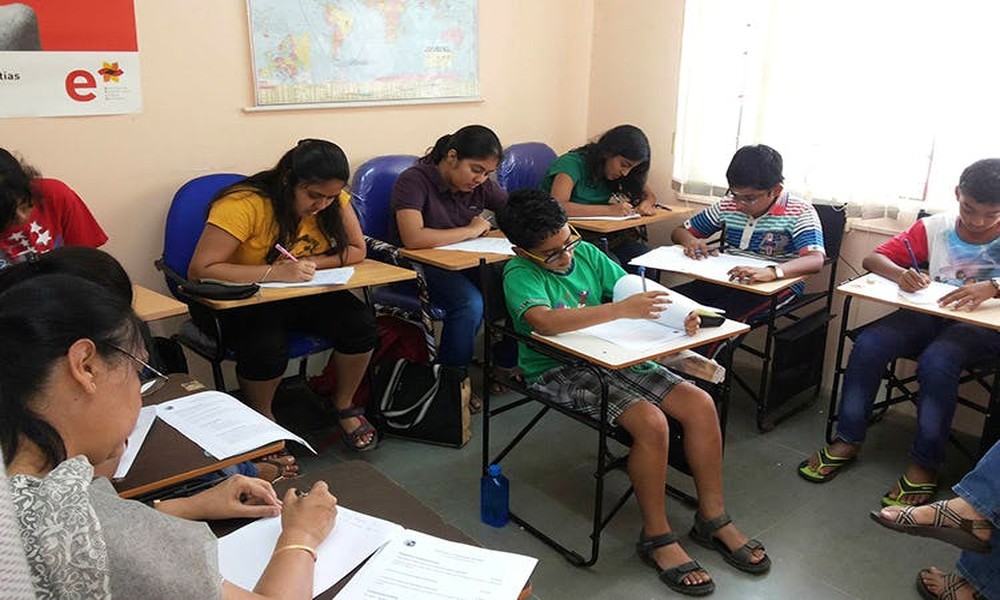
If you’re considering teaching abroad in Spain but feel unsure about which preparation path to take, a Spanish Immersion Classes program can make a significant difference in your experience. A structured Spanish immersion program for schools, before beginning your teaching placement, can help you build confidence, improve communication skills, and adjust more smoothly to life in a new country.
Based on firsthand experience from a structured teaching and immersion pathway, there are several strong reasons why a 4-week Spanish immersion program stands out as a valuable starting point for living and working abroad.
1. Intensive Spanish Instruction and Full Language Immersion
One of the most valuable aspects of a 4-week Spanish immersion program is the intensity of the language learning experience. Regardless of your starting level, being fully surrounded by Spanish helps accelerate your learning in a way that traditional classroom study often cannot match.
Participants are encouraged to speak Spanish consistently in a supportive environment where mistakes are treated as part of the learning process. This helps build confidence and fluency more quickly. The focus is often on practical, everyday Spanish—language that can be used immediately in real-world conversations.
Learning doesn’t stop in the classroom. Living with a host family adds another layer of immersion, allowing participants to practice Spanish naturally at home. Cultural activities and community experiences further enhance understanding of local customs and communication styles. This combination of structured learning and daily exposure creates a strong foundation for future teaching and living abroad.
2. A Full Week to Travel, Settle, and Prepare
Another major benefit of a 4-week immersion program is the built-in transition period after instruction ends. Once the intensive learning phase is complete, participants typically have an entire week free before teaching responsibilities begin.
This time offers valuable flexibility. Some choose to travel to other parts of the country or explore nearby destinations. Others use the time to settle into their new city, complete administrative tasks, or finalize important arrangements such as housing, documentation, or banking.
Having this buffer period reduces stress and allows for a smoother shift from student to teacher. It provides space to organize life before professional responsibilities begin, making the overall transition more manageable and less overwhelming.
3. Early Arrival and Increased Housing Opportunities
Arriving earlier than the general teaching start date can significantly improve your housing options. In many cities, demand for accommodation increases rapidly at the beginning of the academic year, making it more difficult to secure suitable housing later on.
An early arrival gives participants a head start in exploring neighborhoods, viewing multiple housing options, and making informed decisions. Instead of rushing into a commitment, there is time to compare choices and evaluate contracts carefully.
This extended timeline can also help avoid common housing challenges such as unclear agreements or unsuitable living conditions. By allowing extra time for decision-making, participants increase their chances of finding stable and comfortable accommodation that fits their needs.
4. Building Strong Connections with a Host Family
Living with a host family during the immersion period is often one of the most meaningful parts of the experience. Over several weeks of shared daily life, participants often develop close, lasting relationships with their hosts.
A host family provides more than just accommodation. They offer emotional support, cultural insight, and practical help during the adjustment period. From assisting with everyday tasks to offering guidance on local systems and customs, their support can make a significant difference in easing the transition to a new country.
This living arrangement also fosters natural language practice in a relaxed environment. Daily conversations help improve fluency while building familiarity with cultural expressions and routines. Many participants also share the experience with other program participants, which can lead to additional friendships and support networks.
Final Thoughts: Why a Spanish Immersion Program Is Worth Considering
Choosing a Spanish immersion program before beginning a teaching placement abroad can provide lasting benefits that extend far beyond language learning. It helps build confidence, improves communication skills, and creates a smoother transition into a new cultural and professional environment.
The combination of intensive instruction, free time for adjustment, early arrival advantages, and meaningful cultural connections makes this type of program a strong option for anyone preparing to teach abroad.
While there are many pathways into international teaching, an immersive preparation experience can offer both practical support and personal growth. For those considering teaching in Spain, a structured immersion period may be a valuable step toward a more successful and confident start abroad.