
Australian schools are under increasing pressure to prepare students for a world that values creativity, technical skills, entrepreneurship, and practical problem-solving.
Traditional classroom learning remains important, but students can also benefit from working with the same types of technology used in manufacturing, product design, engineering, architecture, and other industries.
This is where laser engravers for schools can become a valuable addition to a school.
A school laser engraver can give students hands-on experience while supporting STEM, art and design, entrepreneurship, and even school fundraising. The key is choosing a machine that is safe, reliable, easy for teachers to manage, and versatile enough to support different types of projects.
Here are five reasons Australian schools should consider adding laser engraving to their programs.
1. Laser Engravers Give Students Real-World Technology Experience
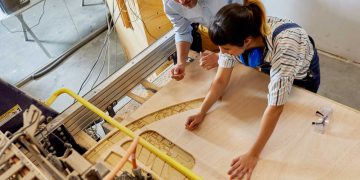
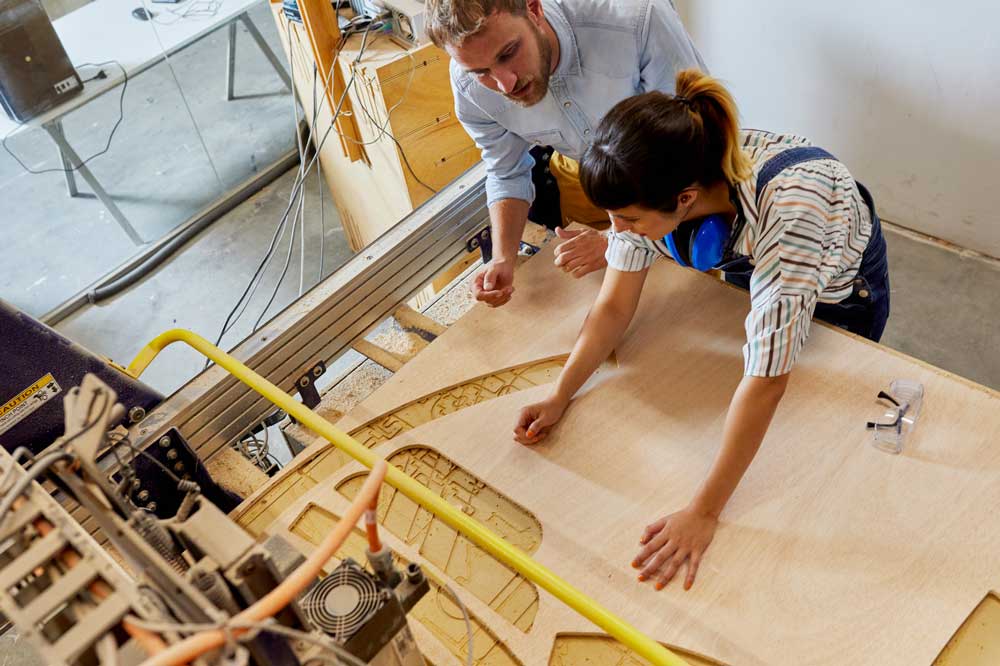
One of the biggest advantages of having a laser engraver at school is the opportunity for students to gain practical experience with technology.
Rather than learning only from textbooks or computer screens, students can work through the complete process of creating a physical product. They can learn how to prepare a design, select materials, set up the machine, operate the equipment, and evaluate the finished result.
These are skills that can translate into careers involving manufacturing, product design, engineering, architecture, signage, and custom production.
The experience also teaches students that creating a finished product involves more than having an idea. They have to consider measurements, materials, machine settings, accuracy, and production time.
2. It Strengthens STEM and Engineering Programs
Laser engravers are particularly useful for STEM education because they combine several different skills in one project.
Students can use mathematics to calculate dimensions, geometry to create shapes, design software to develop projects, and problem-solving skills to improve their designs.
For example, students can design and produce prototypes, build structures from laser-cut components, or create custom parts for robotics projects.
The ability to design something digitally and then turn it into a physical object also gives students a practical understanding of manufacturing and engineering processes.
3. It Combines Art, Design, and Technology
A laser engraver is not limited to engineering classes. It can also give art and design students a way to turn digital artwork into physical products.
Depending on the machine and material, students can work with materials such as wood, acrylic, leather, cardboard, and paper to create artwork, signs, models, decorations, and other projects.
This combination of creativity and technology can be particularly valuable for students who enjoy practical work and want to develop job-ready skills without necessarily following a traditional academic path.
4. It Can Teach Students About Entrepreneurship
A school laser engraver can also become a practical business-learning tool.
Students can design products such as keychains, signs, phone stands, awards, ornaments, and school merchandise. From there, business or entrepreneurship classes can explore pricing, product development, packaging, marketing, and sales.
Instead of simply learning business concepts theoretically, students can experience what it takes to turn an idea into a product that someone is willing to buy.
Schools can also use these projects to develop student-run businesses or school-store products.
5. Laser Engraving Can Support School Fundraising
Laser engraving can provide another way for schools, clubs, and student organisations to raise money.
Sports teams, robotics clubs, music programs, student governments, and other groups can create personalised products for their communities.
Examples include:
- Custom keychains
- Award plaques
- School signs
- Phone stands
- Ornaments
- Graduation keepsakes
- Branded merchandise
- Team or club products
Because these items can be customised, they may have greater perceived value than generic fundraising products.
This means the same machine used for classroom projects can also support extracurricular activities and fundraising initiatives.
Choosing a Laser Engraver for an Australian School
Not every school needs the same type of laser. A smaller school or beginner program may benefit from an enclosed desktop machine because it takes up less space and can be easier to integrate into a classroom.
For schools that need greater versatility and production capacity, a CO₂ laser can be a better option. CO₂ machines can cut and engrave a wide range of common classroom materials, making them suitable for signs, models, prototypes, artwork, awards, and other student projects.
The OMTech Polar Lite 55W Desktop CO₂ Laser Cutter and Engraver, for example, is designed as a compact option for schools and other users who need a versatile machine without the footprint of a larger production laser.
For larger schools, vocational programs, or campuses with more demanding production requirements, a higher-capacity machine such as the OMTech Pronto CO₂ laser engraver series may be more appropriate. The Pronto range includes models from 60W to 150W and is designed for applications including signage, models, prototypes, artwork, and other projects.
Schools focused on advanced manufacturing and industrial technology can also consider fibre lasers for metal marking and engraving. These are particularly relevant to programs involving engineering, manufacturing, tool identification, and industrial applications.
What Can Australian Students Make With a Laser Engraver?
The possibilities are broad, but the best projects tend to combine creativity with a practical purpose.
Students could create:
- Custom keychains
- Teacher and staff nameplates
- Award plaques
- Phone stands
- School signage
- Robotics team components and labels
- Classroom learning tools
- Artwork and decorative projects
- School merchandise
- Graduation keepsakes
The best projects are those that are affordable, manageable within a class period, relevant to students, and useful after they are completed.
Final Thoughts
A laser engraver can be much more than another piece of equipment in an Australian school’s workshop.
Used properly, it can connect classroom learning with real-world technology and give students practical experience in design, engineering, manufacturing, creativity, and entrepreneurship.
The most important consideration is choosing a machine that matches the school’s needs.
A compact desktop CO₂ laser may be suitable for a smaller classroom or beginner program, while a larger production machine may make more sense for a vocational or technical education facility.
Ultimately, the goal should not simply be to give students access to a laser engraver. It should be to give them a tool they can use to design, build, test, improve, and create something of their own.