
Key Takeaways
- Enrichment classes for primary students often use interactive teaching methods that complement classroom learning.
- Lessons typically combine discussion, practical activities, and problem-solving tasks to improve understanding.
- Teaching approaches are adapted to different learning styles and developmental stages.
- Regular feedback and continuous assessment help identify strengths and areas for improvement.
- A balanced mix of independent and collaborative learning encourages both academic and personal growth.
Introduction
Enrichment classes for primary students are designed to extend learning beyond the standard school curriculum. Rather than focusing solely on examination preparation, these programmes often emphasise deeper understanding, practical application, and the development of essential skills such as communication, critical thinking, and independent learning. To achieve these goals, educators use a range of teaching methods that keep lessons engaging while supporting different learning abilities. Understanding these approaches helps parents recognise how enrichment programmes create meaningful learning experiences for children.
Interactive and Discussion-Based Learning
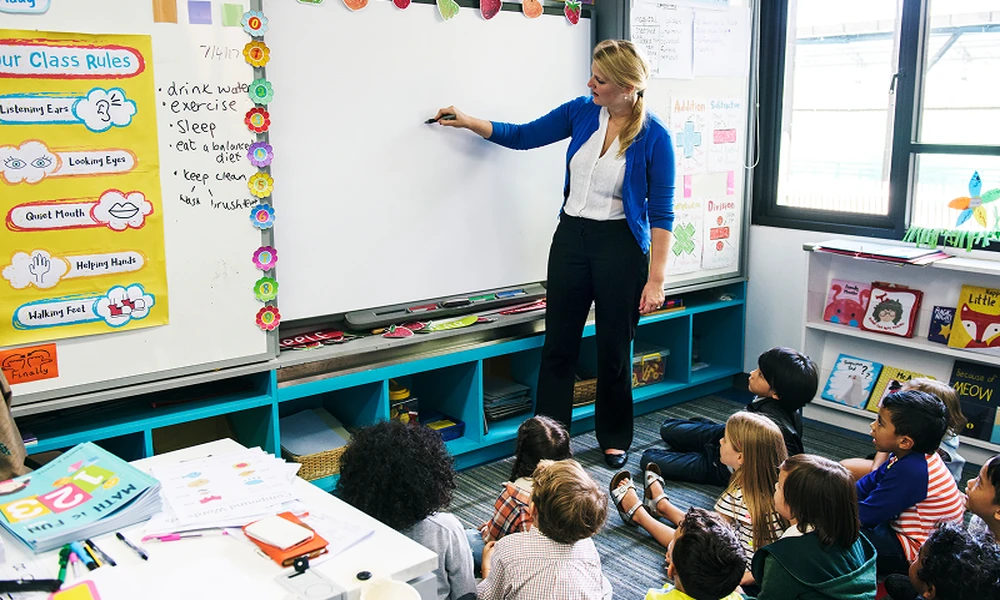
One of the most widely used teaching methods is interactive learning. Instead of relying on long lectures, teachers encourage pupils to ask questions, share ideas, and participate in guided discussions throughout the lesson. This approach keeps children actively involved rather than passively receiving information. Through classroom conversations, pupils learn how to explain their thinking, listen to different viewpoints, and develop confidence when expressing their opinions. Teachers often use open-ended questions to stimulate reasoning and encourage children to think beyond memorised answers, making lessons more engaging and intellectually rewarding.
Hands-On Activities and Practical Application
Many enrichment programmes incorporate practical activities that allow pupils to apply concepts in real situations. Whether the subject is mathematics, science, language, or general problem-solving, children often complete experiments, games, projects, or structured exercises that reinforce classroom learning. Practical tasks help pupils connect theoretical knowledge with everyday situations, making abstract concepts easier to understand. This method also improves retention because children are actively involved in the learning process instead of simply reading or listening. By experiencing concepts directly, pupils develop stronger comprehension and greater confidence in applying what they have learned.
Problem-Solving and Critical Thinking Exercises
A major objective of enrichment classes for primary students is to strengthen analytical thinking. Teachers regularly introduce activities that require pupils to evaluate information, identify patterns, compare solutions, and justify their reasoning. Instead of providing immediate answers, instructors guide children through the thinking process and encourage them to explore multiple approaches before reaching a conclusion. These exercises help pupils become more independent learners who are comfortable tackling unfamiliar questions. Over time, this method develops resilience, logical reasoning, and the ability to approach challenges systematically rather than relying on memorisation alone.
Collaborative Learning and Group Work
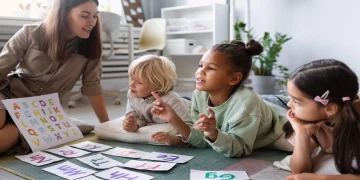
Group activities remain an important feature of many enrichment programmes because they develop teamwork alongside academic skills. Pupils may work together to solve problems, complete projects, or present their ideas to the class. Collaborative learning teaches children how to communicate clearly, divide responsibilities, and respect different perspectives. Working with peers also exposes pupils to alternative ways of thinking, which broadens their understanding of a topic. Teachers carefully structure these activities to ensure every child participates and contributes, helping quieter pupils build confidence while encouraging stronger learners to develop leadership and mentoring skills.
Personalised Feedback and Continuous Assessment
Effective enrichment programmes place significant emphasis on continuous assessment rather than relying only on formal examinations. Teachers regularly observe classroom participation, review completed assignments, and provide personalised feedback that highlights both strengths and areas requiring improvement. Short quizzes, reflective exercises, and informal assessments help educators monitor each pupil’s progress without creating unnecessary pressure. This ongoing evaluation enables teachers to adjust lesson pace, revisit difficult concepts, and introduce more advanced material when appropriate. Personalised feedback also helps pupils understand their own learning process, encouraging steady improvement through achievable goals.
Conclusion
The teaching methods used in enrichment classes for primary students are designed to support both academic achievement and broader skill development. Interactive discussions, practical activities, critical thinking exercises, collaborative learning, and continuous assessment work together to create an engaging learning environment that encourages active participation and independent thinking. By combining these approaches, enrichment programmes help children build stronger foundations, improve confidence, and develop learning habits that continue to benefit them throughout their primary education and beyond.
Visit Hua Language Centre to discover how thoughtfully designed enrichment classes for primary students can strengthen academic skills, critical thinking, and confidence.