
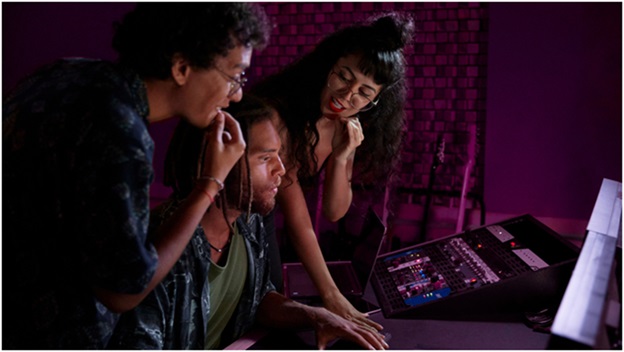
An audio engineer’s role goes far beyond knobs, cables, and DAWs. At the heart of a great studio session is collaboration—the ability to work closely with artists to bring their creative vision to life. Whether you’re working with a solo singer-songwriter, a full band, or a hip-hop artist laying down beats and vocals, your communication, attitude, and workflow can make or break the session.
Here are seven essential tips for collaborating effectively with artists in the studio to create a smooth, productive, and inspiring recording experience.
1. Start with a Clear Conversation
Before touching any gear, begin with a conversation. Ask the artist about their goals for the session, the sound they’re envisioning, and how they want the final product to feel. Do they want something raw and organic or polished and radio-ready? Are there reference tracks that inspire the sound they’re aiming for?
By aligning early on, you’ll be better equipped to make creative decisions that match their expectations. This initial dialogue builds trust and helps avoid miscommunication later.
2. Create a Comfortable Studio Environment
A successful recording session isn’t just about capturing great sound—it’s about creating a space where artists feel safe to be vulnerable and expressive. The right studio environment can elevate performances and boost confidence.
Make sure the studio is clean, well-lit, and organized. Offer water, coffee, or snacks. Keep the temperature comfortable. Small details like these show that you care about their comfort, which can encourage a more relaxed, open energy in the room.
Also, be mindful of your tone and body language. A calm, positive, and welcoming attitude can go a long way toward building rapport.
3. Be Technically Prepared
Before the artist arrives, make sure everything is in working order: microphones are set up, cables are tested, your session template is ready, and any necessary plugins or instruments are preloaded. Technical hiccups not only waste valuable time but also disrupt the creative flow.
Preparation shows professionalism and lets the artist focus on performing instead of waiting around. It also demonstrates that you respect their time and are serious about the work.
4. Know When to Lead and When to Listen
As the engineer, you’re expected to bring technical expertise to the table, but it’s important not to dominate the creative process. Some artists want feedback and suggestions, while others prefer to take the lead.
Pay attention to the artist’s energy and communication style. If they ask for input, share your thoughts constructively. If they’re in a creative groove, support them quietly and be ready to adapt. Your job is to enhance their vision—not impose your own.
Learning how to balance guidance with humility is something many engineers refine over time, especially as they earn an audio engineering degree and gain experience working with different personalities.
5. Keep the Workflow Moving
Momentum matters in the studio. Long waits between takes, over-editing in real time, or excessive troubleshooting can kill the vibe. Keep things moving efficiently by using templates, labeling tracks clearly, and having presets ready to go.
Use markers to note good takes, offer quick bounce-downs for playback, and avoid over-explaining technical jargon unless the artist asks. When in doubt, make quick decisions that allow the session to keep flowing. You can always fine-tune later during mixing.
6. Handle Feedback Like a Pro
Receiving feedback—especially critical feedback—can be tough, but it’s part of the process. Remember, it’s not personal. If an artist doesn’t like the EQ you applied or the comp you created, take it in stride and ask clarifying questions to better understand what they’re looking for.
Your ability to stay calm, open-minded, and solution-focused during revisions will earn the artist’s respect and make future collaborations more likely. Feedback is an opportunity to learn and to build a better final product together.
7. End with Gratitude and Follow-Up
Once the session wraps up, thank the artist for their time and energy. If you’re responsible for delivering files or mixes later, be clear about when they can expect them—and stick to the timeline.
A simple follow-up email or message with bounced tracks, session files, or a thank-you note goes a long way in building a professional relationship. The music industry is built on connections, and treating every session like a long-term investment can lead to repeat business, referrals, and new opportunities.
Working with artists in the studio is an art form of its own. It requires empathy, technical skill, flexibility, and a genuine passion for helping others bring their musical vision to life. By creating a comfortable environment, maintaining a smooth workflow, and building strong communication, you become more than just an engineer—you become a trusted creative partner.
For those who want to take their collaboration and technical skills to the next level, choosing to study audio engineering can provide valuable hands-on training and exposure to real-world studio environments, helping you thrive in this dynamic industry.