
Moving from nursery to primary school is a big step for young children. New classrooms, new teachers, more structured routines, and new expectations can feel exciting but also overwhelming. Parents in Nagpur often begin preparing early, especially when exploring international schools in Nagpur or looking at different curriculum styles. With the right guidance at home, this transition becomes smoother and more positive for children.
Many families already choose the best nursery schools in Nagpur because these early learning environments help children build confidence and basic skills. When it’s time to step into primary school, the goal is to support them emotionally, socially, and academically so they adjust comfortably.
Understanding What Changes for Your Child
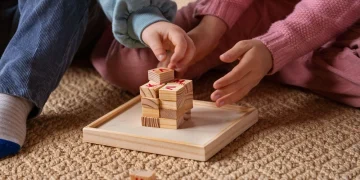
The shift from free-play-based nursery learning to a more structured primary routine can feel like a big leap. In nursery, children follow gentler schedules and engage in lots of guided play. In primary school, they experience:
- Longer classes
- More focused tasks
- Group activities
- Early academic expectations
If your child might later move into higher levels such as international secondary schools in Nagpur, then helping them build a strong foundation now becomes even more important.
Practical Ways to Support the Transition
Instead of long paragraphs, here is a cleaner structure with clear, simple steps:
- Talk About School in a Positive Way
Children feel more confident when they know what to expect. Explain what primary school looks like—new books, interesting lessons, friendships, and fun activities. Keeping the conversation light and positive helps reduce nervousness.
- Visit the New School Before Term Begins
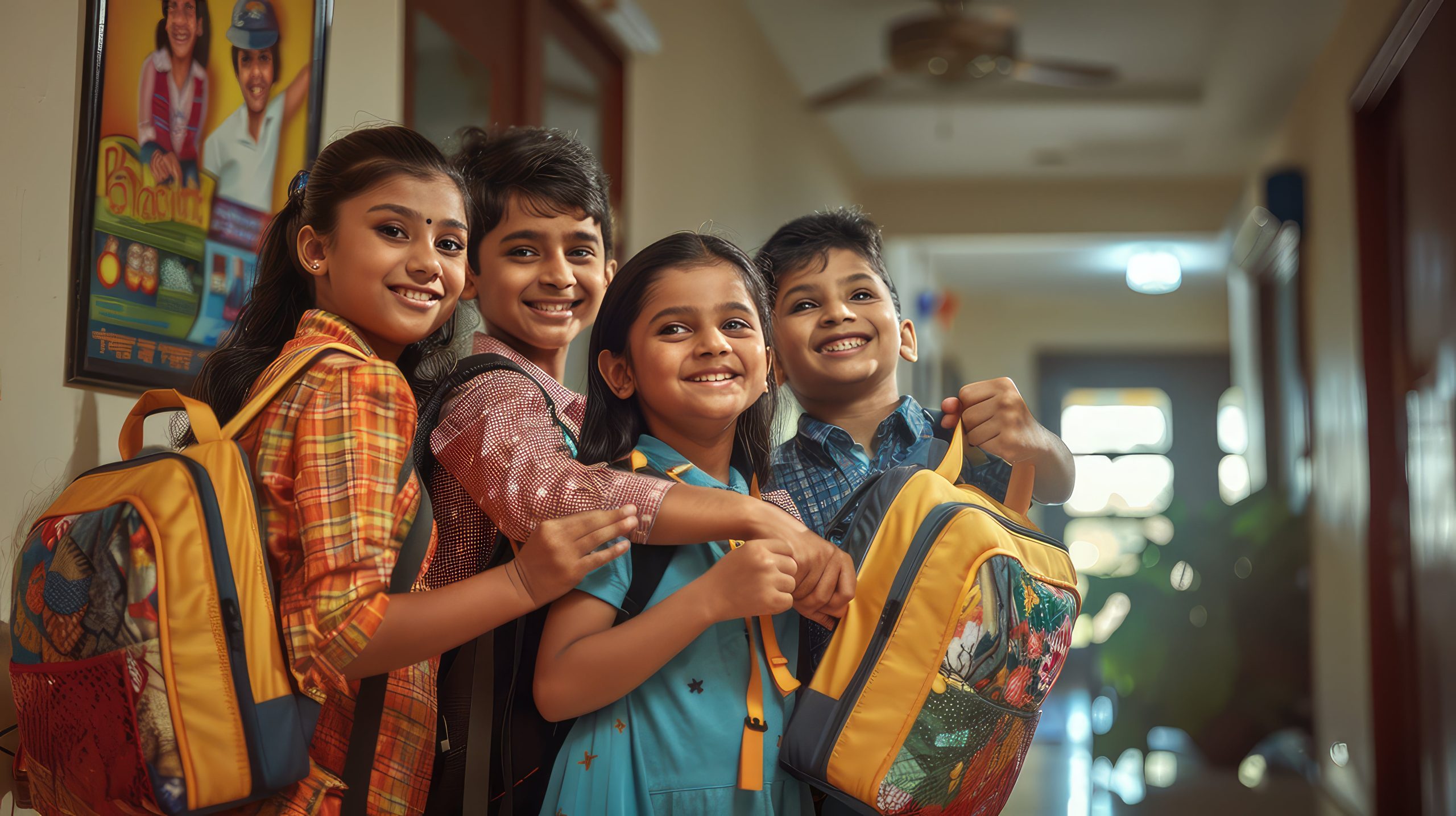
Many parents of children in the best nursery schools in Nagpur take their child to visit their future primary classrooms. Seeing the playground, corridors, and teacher’s room makes the environment feel familiar, easing first-day anxiety.
- Practise Basic Routines at Home
Simple routines like packing a bag, keeping shoes organised, or following a daily timetable prepare children for the more structured environment of primary school.
- Encourage Independence
Allow children to dress themselves, eat independently, and manage small tasks. These habits help them settle quickly in international schools in Nagpur, where self-management is encouraged from the early years.
- Build Social Confidence
Arrange small playdates or group activities. When children feel comfortable interacting with peers, they adapt better to group learning later.
Developing Early Academic Readiness
Primary school introduces early writing, reading, and number work. You don’t need to teach advanced lessons at home—just support simple learning habits.
- Read stories together
- Practise recognising letters
- Count everyday objects during chores
- Encourage drawing and pencil grip
These small steps make their first months in primary school much smoother.
Parents planning for future academic paths especially those considering international secondary schools in Nagpur later find that early habits help children handle new stages with confidence.
Supporting Emotional Readiness
A child may not express worries openly, but they often feel uncertain about change. Emotional readiness is just as important as academic readiness.
Teach them to express feelings
Use simple questions like “What did you enjoy today?” or “What made you feel unsure?”
Reassure them about small mistakes
Primary school involves learning new routines. Remind your child that it’s okay to forget things and that learning takes time.
Create a calm morning routine
A relaxed start to the day helps children arrive at school feeling secure and prepared.
These emotional skills play a big part in long-term schooling success, even as they grow into more advanced stages like international secondary schools in Nagpur.
Transitioning to primary school becomes easier when children feel supported, understood, and prepared. With steady guidance at home and a nurturing school environment, they develop the confidence needed to enjoy their early learning years.
Parents seeking balanced schooling environments often explore options like Global Indian International School (GIIS), where children are encouraged to adjust at their own pace while growing through positive routines and thoughtful learning experiences.